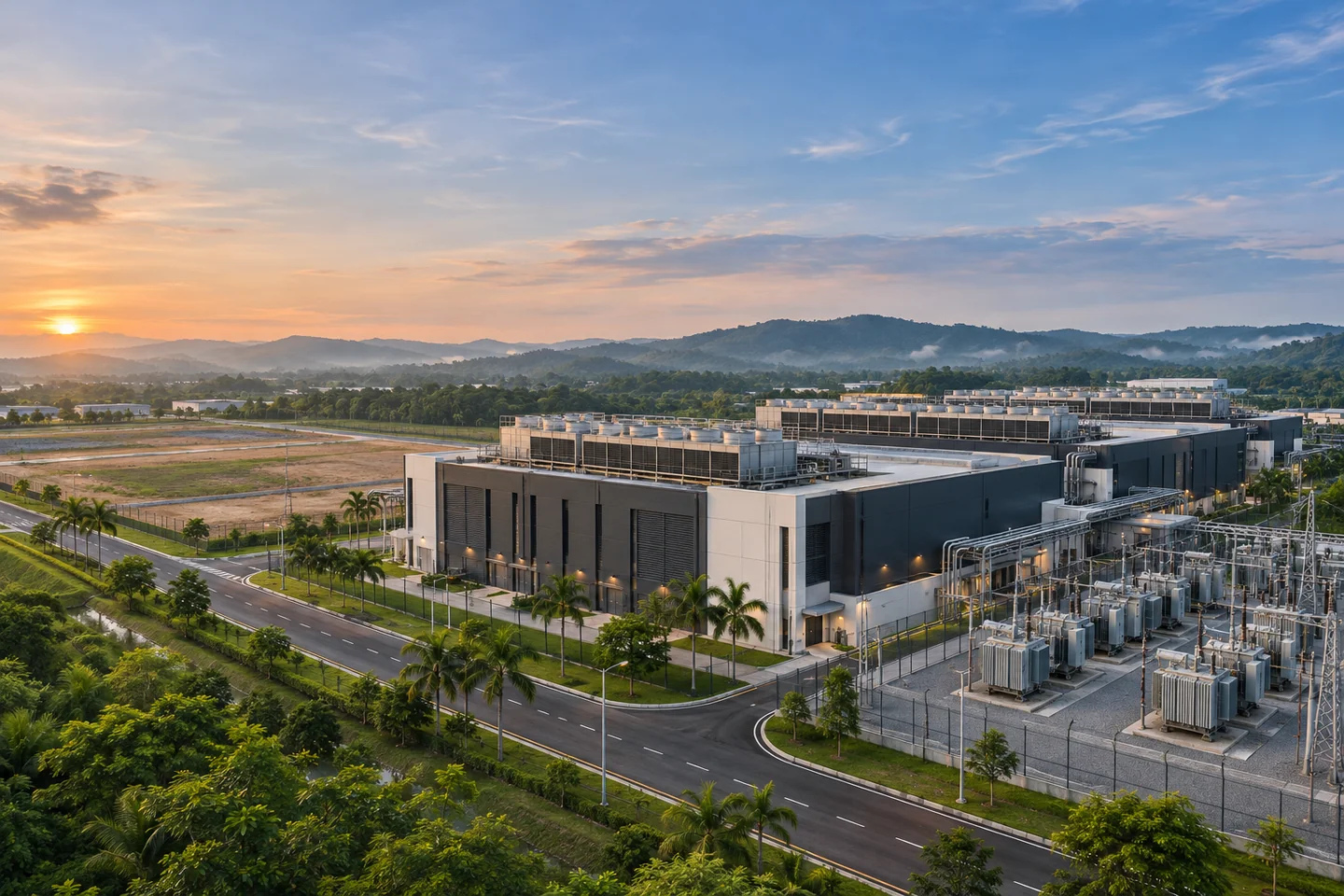
EIA is triggered by the prescribed activity, scale and circumstances in the applicable legislation, not simply by calling a project heavy industry. Establish jurisdiction, screen the full project, appoint a DOE-registered EIA consultant where required and align the study with current siting and development-plan requirements. EIA-report approval does not replace project approval.
Screen the project before fixing the site
An EIA should inform an industrial development decision early enough to affect the location and design. Start with the full proposal: production processes, capacity, utilities, raw materials, outputs and associated infrastructure. A building area or “heavy industrial” description alone is insufficient for screening.
DOE identifies the Environmental Quality (Prescribed Activities) (Environmental Impact Assessment) Order 2015 as the basis for determining which projects require a federal EIA report. Compare the actual proposal against its descriptions and thresholds. Include expansions and linked components in the screening exercise; do not assume that dividing a development into smaller packages removes the requirement.
Sources: Department of Environment · Department of Environment
Confirm jurisdiction and the applicable schedule
The federal Order distinguishes First Schedule and Second Schedule activities. First Schedule reports do not ordinarily require public display and comment unless the Director General directs otherwise; Second Schedule reports require that participation process. The relevant report-display arrangements must be confirmed for the project.
DOE also explains that Sabah and Sarawak have state environmental laws covering certain activities. A project in Samalaju or another East Malaysian location therefore needs an authority-specific screening decision, not an assumption that a Peninsular workflow can be copied. Record which regulator and procedure apply before commissioning the study.
| Screening result | Practical next step |
|---|---|
| Federal First Schedule | Confirm study and submission requirements with the registered consultant and DOE. |
| Federal Second Schedule | Plan the required public display and comment process within the project programme. |
| Potential state jurisdiction | Confirm the Sabah or Sarawak regulator, prescribed activity and applicable procedure. |
| Not prescribed for EIA | Identify other environmental controls and approvals that still apply. |
Sources: Department of Environment · Department of Environment
Build a technically usable project brief
Give the consultant reliable design information. A later increase in throughput or a change to fuels, chemicals or treatment systems can undermine an earlier assessment. Agree assumptions with the engineering team and maintain a record of design changes.
Study inputs should address the site and receiving environment as well as the factory itself. The industrial-park brochure may describe infrastructure, but the assessment needs evidence about the proposed plot, surrounding uses and the project’s effects.
- Provide process-flow diagrams and planned production capacities.
- Identify potential air emissions, wastewater, noise, odour, scheduled waste and material-storage risks.
- Map receptors, access routes, drainage connections and relevant alternative sites or layouts.
- Identify mitigation equipment, space requirements and operating responsibilities.
- Agree who owns each technical input and how changes will be communicated.
Sources: Department of Environment
Use registered expertise and current siting guidance
DOE states that EIA and Environmental Management Plan reports must be prepared by EIA consultants registered through myCEP. Check the registration and suitability of the proposed team for the process and studies involved.
For current industrial siting work, use PPIS 2025. DOE’s Notice 1/2026 confirms that it supersedes EESIM 2017. Ask the team to identify the applicable siting and pollution-prevention requirements and integrate the relevant technical design into the proposal. A legacy buffer-distance table is not a substitute for this exercise.
Sources: Department of Environment · Department of Environment
Document planning consistency before submission
DOE’s Notice 2/2026, dated 27 October 2026, introduces a current matrix on development-plan evidence for EIA assessment and cancels its earlier 2/2022 notice. The documentary route varies by jurisdiction. Ask the planning adviser to establish the applicable approved plan position and the written evidence the report needs.
Keep that planning evidence separate from the environmental study conclusions. DOE approves the EIA report; the project approving authority makes the project decision. Securing one does not automatically supply the other permissions required to develop and operate the facility.
Sources: Department of Environment · Department of Environment
Manage review, conditions and the commercial programme
Allow time for baseline information, technical studies, consultation where required, report preparation and responses to the reviewing authority. Avoid committing to an occupation date based solely on the date a consultant expects to submit. Submission, approval and readiness to operate are different milestones.
For a land acquisition or built-to-suit arrangement, ask the legal and project teams to allocate approval risk, consultant costs, access for investigations and responsibility for design changes. Discuss appropriate conditions and long-stop arrangements against the actual project programme.
After an approval, translate its conditions into responsibilities, budgets and an implementation tracker. Maintain the environmental management, monitoring and reporting arrangements required for the project, alongside the other applicable permits. A report approval should lead to controlled implementation, not a closed file.
- Create an approval register covering the EIA, planning, building and process-related requirements.
- Assign each condition to a named project role and record the evidence needed to close it.
- Review design or capacity changes with the consultant before implementation.
- Keep the investment team informed of unresolved dependencies that affect site selection or commissioning.
Sources: Department of Environment · Department of Environment
Common questions.
Does every heavy-industry proposal require an EIA?
Screen the actual proposal against the applicable prescribed-activities legislation, thresholds and jurisdiction. A marketing or planning description alone does not determine the answer.
Does the industrial park’s EIA cover my factory?
Have the consultant review the park approval, its conditions and the scope of your tenant project. A park-level assessment should not be assumed to cover a distinct manufacturing process or later expansion.
Can a project avoid environmental requirements if no EIA is needed?
No-EIA screening does not establish exemption from other environmental controls. Identify the process-specific obligations for emissions, discharges, wastes and any required notifications or permissions.
Is there a guaranteed DOE approval period?
Build a project-specific programme with the consultant and authority. Study needs, public participation, completeness and review comments affect the sequence; do not treat a submission date as an approval guarantee.
Official sources & further reading.
This guide summarises published requirements and location information. Confirm the current rules, approved use and project-specific conditions with the relevant authority and your appointed professional advisers.
- Environmental Quality EIA Order 2015 Department of Environment · Accessed 17 November 2026
- EIA Order 2015 — gazetted First and Second Schedules Department of Environment / Federal Gazette · Accessed 17 November 2026
- EIA Guideline in Malaysia Department of Environment · Accessed 5 November 2026
- EIA frequently asked questions Department of Environment · Accessed 17 November 2026
- Notice1/2026: current industrial siting guidance Department of Environment · Accessed 17 November 2026
- Notice2/2026: development-plan evidence matrix Department of Environment · Accessed 17 November 2026
- Current notices to EIA consultants Department of Environment · Accessed 17 November 2026
Explore relevant industrial locations.
- Samalaju Industrial Park Sarawak
- Malaysia–China Kuantan Industrial Park Pahang
- Pulau Indah Industrial Park Selangor
Put these checks into your property brief.
Tell us your activity, preferred location, area, power requirement and occupation date. Our corporate property desk can help focus the property search and identify questions to resolve for the selected site.
Discuss your industrial requirement